General Dentist Santa Clarita CA Tips for Preventing Plaque Buildup

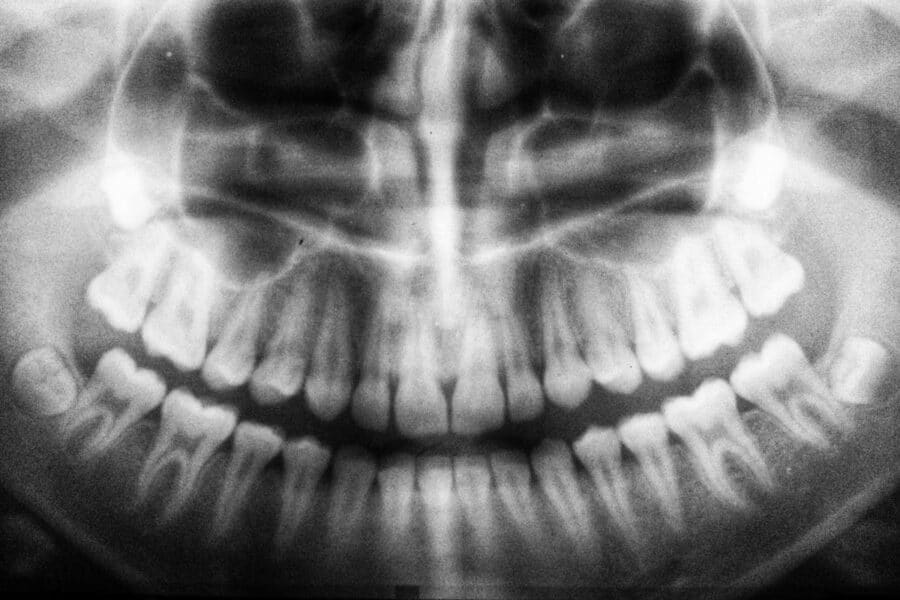
Plaque sounds harmless because the word gets tossed around so casually. In practice, it is the thin, sticky film that quietly drives a long list of dental problems, from bad breath and yellow-looking teeth to inflamed gums and cavities that seem to appear out of nowhere. Most people do not notice plaque when it first forms. They notice the effects later, often after the film has hardened, irritated the gums, or created the kind of rough surface where even more bacteria can cling.
A good general dentist Santa Clarita CA patients trust will usually say the same thing in different words: plaque prevention is easier, cheaper, and far less uncomfortable than plaque removal after it has been allowed to build for months or years. That advice may sound simple, but getting it right takes more than brushing harder or buying whatever oral care product is trending at the store.
The real goal is not perfection. It is consistency, technique, and a routine that fits real life. If you understand how plaque forms and where it tends to hide, small changes can make a noticeable difference within a few weeks.
Why plaque forms so quickly
Plaque begins forming soon after you clean your teeth. Bacteria in the mouth mix with saliva and food particles, creating a soft biofilm that coats the teeth and gumline. This is normal. Everyone gets plaque. The issue is how https://israelplmz984.wordcanopy.com/posts/how-a-general-dentist-in-santa-clarita-ca-detects-dental-issues-early long it stays there and whether it is being disrupted often enough before it matures and hardens into tartar.
Tartar is a different problem because once plaque mineralizes, regular brushing and flossing will not remove it. That is when professional cleanings matter. Many patients are surprised to learn that tartar often develops most heavily behind the lower front teeth and along the upper molars near the cheeks, areas where saliva ducts are active and minerals collect more readily.
Diet, mouth breathing, dry mouth, crowded teeth, orthodontic appliances, old dental work with rough edges, and even stress can make plaque control harder. Stress does not create plaque by itself, but it can lead to mouth dryness, clenching, inconsistent routines, and more frequent snacking. Those indirect effects add up.
The spots people miss most often
When plaque keeps returning in the same areas, the problem is rarely a lack of effort. It is usually a matter of anatomy and access. Even motivated brushers tend to miss the gumline, the back surfaces of the last molars, and the tight contacts between teeth. Retainers, permanent wires, bridges, and crowns can also create plaque traps if they are not cleaned carefully.
One common pattern seen in routine exams is the patient who brushes twice a day but still shows inflammation between the teeth. Their brushing may be fine, but the spaces where teeth touch are not being cleaned effectively. Another common pattern is the person who scrubs the visible front teeth well but glides too quickly over the back molars, where chewing surfaces and grooves tend to hold plaque longer.
Children and teens often miss plaque around the gumline because they brush the middle of the tooth and assume that is enough. Adults do it too, especially when they are rushing. If the bristles are not angled toward the gums, a lot of plaque is left right where gum inflammation begins.
Brushing matters, but technique matters more
People often ask whether they need a more expensive toothbrush to prevent plaque. Sometimes yes, often no. A manual brush used well can do a solid job. An electric toothbrush can make plaque control easier, especially for people with limited dexterity, braces, or a habit of brushing too aggressively. The larger issue is whether the brush is actually disturbing plaque along every tooth surface.
Short, controlled motions tend to work better than hard horizontal scrubbing. The brush should be angled toward the gumline, not just pressed flat against the tooth. Pressure should be firm enough to clean, but not so forceful that the bristles splay and the gums recede over time. If the brush looks frayed after only a few weeks, that usually signals too much force.
Timing also matters more than people think. A quick 30-second pass over the teeth might freshen the mouth, but it will not reliably remove plaque. Most adults need about two minutes, sometimes a little more if they have crowding, implants, or appliances. Patients who switch from guessing to actually timing their brushing are often surprised by how short their usual routine had been.
To make brushing more effective, focus on these essentials:
- Brush at least twice daily for about two minutes each time.
- Angle the bristles toward the gumline and use gentle, small motions.
- Clean the outer, inner, and chewing surfaces, including the very back molars.
- Replace the toothbrush or brush head every three months, or sooner if the bristles flare.
- Brush the tongue lightly to reduce bacteria that contribute to bad breath and plaque regrowth.
That list looks basic, but basic is often where the gains are found. Many plaque problems improve when people stop trying to overhaul everything at once and instead tighten up the fundamentals.
Flossing is not optional if plaque collects between teeth
There is a persistent misconception that flossing is only necessary when food gets stuck. Food impaction is part of the picture, but floss is mainly about disrupting plaque where the toothbrush cannot reach. A brush cleans broad surfaces well. It does not clean the narrow sidewalls between teeth.
If gums bleed when flossing, many people assume they should stop. In reality, mild bleeding is often a sign that plaque has already irritated the tissue. If flossing is done gently and consistently, that bleeding often improves within a week or two. The exception is heavy, spontaneous bleeding or persistent pain, which deserves a professional evaluation.
Technique matters here too. Snapping floss straight down into the gums can make flossing miserable and does very little good. The floss should slide gently between the teeth, curve around one tooth in a C shape, then move up and down to clean the side surface before repeating on the neighboring tooth. It is a small detail with a big payoff.
For patients with bridges, braces, implants, or wider gaps, traditional floss may not be enough on its own. Floss threaders, interdental brushes, or a water flosser can make daily plaque disruption more realistic. The best tool is the one you will use correctly and consistently. A perfect method done twice a month is less useful than a good method done every day.
What you eat changes how plaque behaves
Plaque bacteria thrive on fermentable carbohydrates, especially when they are supplied repeatedly throughout the day. Sugar gets most of the attention, but starchy snack foods can be just as troublesome when they cling to teeth. Crackers, chips, dried fruit, sweet coffee drinks, and frequent sipping of soda or sports drinks keep the mouth in a cycle of bacterial feeding and acid production.
The issue is often frequency more than quantity. A dessert eaten with dinner is usually less damaging than sweetened coffee sipped over three hours or handfuls of snacks eaten all afternoon. Every time sugars or refined carbs are introduced, plaque bacteria go to work again. That repeated exposure gives them more opportunities to grow and irritate the mouth.
This does not mean every patient needs an austere diet. It means being strategic. Drinking water after snacks, limiting constant grazing, and choosing foods that do not cling as stubbornly can reduce the fuel available to plaque. Cheese, nuts, crunchy vegetables, and plain yogurt tend to be easier on teeth than sticky candies, granola bars, or sweetened dried fruit.
Patients often ask whether fruit is bad for teeth. Whole fruit is generally a better choice than juice because it is less concentrated, more filling, and not usually sipped slowly. Raisins or fruit chews are different because they stick in grooves and between teeth longer.
Dry mouth makes plaque harder to control
Saliva is one of the mouth’s best defenses. It helps wash away food particles, neutralize acids, and slow bacterial overgrowth. When saliva flow drops, plaque tends to build faster and feel more stubborn. This is common in people taking certain medications, including many used for allergies, blood pressure, anxiety, depression, and sleep. It is also common in patients who breathe through their mouths, use CPAP without enough humidity, or are dehydrated throughout the day.
A dry mouth can feel obvious, but not always. Some people only notice that their lips stick, their breath worsens, or their teeth seem to accumulate film unusually fast. Others report waking up with a coated mouth despite brushing before bed.
If dryness is contributing to plaque buildup, practical steps can help. Water intake matters. So does reducing alcohol-based mouth rinses if they leave the mouth feeling drier. Sugar-free gum or xylitol lozenges may stimulate saliva in some cases. Persistent dry mouth should be brought up at a dental visit because it changes cavity risk and may call for prescription-strength fluoride or a modified hygiene plan.
Mouthwash can help, but it is not a shortcut
Many people reach for mouthwash when their mouth feels unclean. That can be useful, but rinse should support brushing and flossing, not replace them. If plaque is physically attached to the teeth, swishing liquid around the mouth will not fully remove it.
An antibacterial rinse may be helpful for patients with gum inflammation, especially for short-term support after a deep cleaning or during a period of difficult plaque control. Fluoride rinses can help lower cavity risk. Cosmetic rinses mainly freshen breath and may have a place, but they are not usually the workhorse product in plaque prevention.
There is also a trade-off to consider. Some strong rinses can stain teeth with prolonged use or alter taste temporarily. Others contain alcohol, which may bother patients with dry mouth. Product choice should match the person, not just the label claim.
Professional cleanings do more than polish teeth
When plaque hardens into tartar, home care hits a limit. That is where professional cleanings become essential. Hygienists and dentists remove deposits from places people cannot manage on their own, especially below the gumline or around tight lower front teeth where tartar loves to accumulate.
This is one reason routine visits matter even for patients who brush carefully. Some mouths simply form tartar faster than others. A person with crowded lower incisors and heavy salivary mineral content may need more frequent cleanings than a person whose teeth are naturally easier to clean. There is no moral value in that difference. It is just biology and anatomy.
A general dentist Santa Clarita CA residents see regularly can usually tell whether plaque buildup is tied to technique, crowding, dry mouth, diet, gum disease, or an aging filling that catches debris. That kind of pattern recognition matters. It is often the difference between generic advice and a plan that actually works.
At recall visits, dentists also look for early gum inflammation. Gums do not always hurt when plaque is causing trouble. In fact, early gingivitis is often painless. A little puffiness, easy bleeding, or a shiny gum surface may be the first clue. Catching that stage is valuable because gingivitis is usually reversible with better plaque control and professional care.
The nightly routine matters more than most people realize
If there is one time of day worth protecting, it is before bed. During sleep, saliva flow drops naturally. That means plaque bacteria have a quieter environment and fewer natural defenses working against them. Going to bed with a mouth full of plaque and food debris gives those bacteria several uninterrupted hours to work.
A rushed morning is understandable. A neglected bedtime routine is more costly. Even patients who struggle with consistency often do well when they anchor their oral hygiene to the last event before sleep, whether that is setting an alarm, locking the front door, or plugging in a phone.
A practical evening routine might look like this:
- Floss or clean between the teeth first, so loosened plaque is easier to brush away.
- Brush thoroughly with fluoride toothpaste, paying extra attention to the gumline and back molars.
- Spit out the excess toothpaste, but avoid rinsing vigorously right away if your dentist recommends leaving fluoride in contact longer.
- If advised, use a fluoride or antibacterial rinse at the time best suited to your needs.
- Skip late-night snacking once your teeth are clean.
That final step trips up more people than they expect. A single bowl of cereal or a handful of crackers after brushing may not seem like much, but it resets the whole cycle.
Special situations that deserve extra attention
Braces, clear aligners, implants, crowns, bridges, and bonded retainers all change plaque control. They are not failures of treatment, just realities of maintenance. Patients with aligners sometimes assume their teeth are protected because the trays cover them. In fact, wearing trays over teeth that were not cleaned well can trap sugars and bacteria close to the enamel for long stretches.
Parents of younger children face a different challenge. Many kids brush with enthusiasm but not with accuracy. A child may need supervised brushing longer than expected, especially around the six-year molars and along the back gumline. The same applies to older adults with arthritis or reduced shoulder mobility. Sometimes the best plaque-prevention tool is simply a larger-handled electric toothbrush that is easier to control.
Smoking and vaping also complicate the picture. Beyond their broader health effects, they can worsen dry mouth, stain plaque and tartar, and contribute to gum problems that make plaque control more difficult. Patients who cut back or stop often notice cleaner-feeling teeth and less gum irritation within a relatively short period.
When plaque is a sign of a larger issue
Sometimes repeated plaque buildup is not mainly about brushing or flossing at all. It may reflect a bite issue that traps food, a wisdom tooth partly covered by gum tissue, a filling margin that has roughened over time, or gum recession that exposes root surfaces that collect plaque differently than enamel does. If one area keeps failing despite careful home care, it is worth asking why.
That is where individualized care matters. Advice should fit the mouth in front of the clinician. A teenager with braces needs different guidance than a retiree with dry mouth and multiple crowns. A patient with excellent brushing habits but inflamed gums may need closer periodontal evaluation. Another patient may simply need a demonstration with a mirror and disclosing solution to finally see what they have been missing.
The encouraging part is that plaque is manageable. It forms quickly, but it is also vulnerable to consistent daily disruption. Most improvements come from small habits repeated well, not heroic effort. Better brushing angle, cleaner contacts between teeth, fewer all-day snacks, more awareness of dry mouth, and regular cleanings can shift the whole trajectory of oral health.
For patients trying to stay ahead of cavities and gum disease, the goal is not to chase a flawless routine for a week. It is to build a dependable one for years. That is the kind of approach a skilled general dentist Santa Clarita CA patients rely on will encourage, because it works in real households, on busy mornings, and at the end of long days when motivation is low but good habits still carry you through.
Smyle Dental Newhall
Address: 23754 Newhall Ave, Santa Clarita, CA 91321
Phone number: +16612559200
FAQ About General dentist Santa Clarita CA
What does it mean by general dentist?
A general dentist is your primary dental care provider. They focus on the overall prevention, diagnosis, and treatment of your daily oral health needs. Think of them as your primary care doctor, but for your teeth and gums.
What is the difference between a dentist and a general dentist?
A dentist is a broad professional title for any licensed oral healthcare provider, while a general dentist is a specific type of primary care dentist who focuses on routine, preventive, and everyday treatments.
What is the difference between a dentistry practitioner and a dentist?
A dentist is a licensed doctoral-level healthcare professional, whereas a dental practitioner is a broader umbrella term that can include dentists as well as other trained oral health professionals.