Wisdom Teeth Removal Oxnard CA: What Patients Need to Know
For many people, wisdom teeth removal is the first oral surgery they ever face. That alone can make it feel bigger than it is. Patients often come in with the same mix of questions: Do all wisdom teeth need to come out? How bad is recovery? Can I drive myself home? What if they are not hurting yet? Those are reasonable concerns, especially when the teeth are partly trapped under the gums or close to important nerves.
If you are looking into Wisdom Teeth Removal Oxnard CA, it helps to understand that there is no one-size-fits-all answer. Some patients need prompt removal because of crowding, infection, or damage to neighboring teeth. Others may have wisdom teeth that can be monitored safely for a period of time. The right timing depends on age, anatomy, symptoms, and what the X-rays actually show.
A careful evaluation matters because wisdom teeth behave unpredictably. They may erupt normally and function without trouble, or they may stay impacted and create problems quietly. In practice, the most difficult cases are often not the ones that hurt right away. A tooth that is partially erupted can collect bacteria under the gum flap for months before the patient realizes why the area feels sore, swollen, or hard to clean.
Why wisdom teeth become a problem
Wisdom teeth, also called third molars, are the last adult teeth to develop. They usually appear in the late teens or early twenties, though timing varies. Human jaws often do not have enough room for them. When space is limited, the teeth may tilt forward, stay trapped in bone, or emerge only partway.
That lack of space creates several common problems. Food and bacteria can accumulate around a partially erupted tooth, leading to gum inflammation or infection. An impacted wisdom tooth can press against the second molar beside it, which may contribute to decay or root damage in the healthy tooth in front. In other cases, the pressure is less dramatic but still important, making brushing and flossing so difficult that decay becomes likely over time.
Patients are sometimes surprised to learn that pain is not a reliable indicator of severity. A wisdom tooth may be causing a cavity in the back of the second molar with very little discomfort. By the time the problem is obvious, treatment becomes more involved and more expensive. That is one reason oral surgeons and general dentists often recommend evaluation before symptoms become intense.
Age also plays a role. Younger patients, especially those in their teens and early twenties, often heal more quickly after removal. The roots may be less fully formed, and the surrounding bone tends to be less dense. That does not mean adults cannot do well, because they often do, but recovery can be less straightforward as the years pass.
Signs that deserve attention
Sometimes the need for removal is clear. A patient develops swelling near the jaw, pain when chewing, bad breath that does not improve, or repeated episodes of tenderness behind the second molars. In other situations, the tooth is discovered on routine X-rays before it has caused obvious symptoms.
Several patterns come up often in real clinical settings. One college student may come home with recurrent gum irritation around a lower wisdom tooth after a semester of inconsistent oral hygiene and late nights. Another patient in their thirties may seek care because food keeps getting trapped behind the last visible molar, only to find that a partially impacted wisdom tooth is the reason. A third patient may have no pain at all, but an X-ray reveals a sideways lower third molar leaning into the tooth ahead of it.
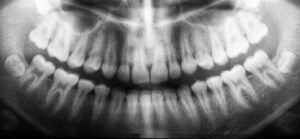
That range is exactly why evaluation matters more than guesswork. A tooth that looks harmless in the mirror may tell a different story on panoramic imaging.
What happens during the consultation
The first visit is not just about scheduling surgery. It is about deciding whether removal is necessary, how complex the case is, and what type of sedation or anesthesia makes sense for the patient.
The surgeon or dentist will usually review your medical history, symptoms, medications, allergies, and prior experiences with dental treatment. X-rays help show the position of the teeth, the angle of impaction, the depth in the jaw, and how close the roots are to structures such as the sinus in the upper jaw or the main nerve in the lower jaw.
That consultation is also the time to discuss practical details that affect recovery. For example, a patient with a physically demanding job may need different return-to-work planning than someone who works from home. A patient with a history of severe dental anxiety may benefit from a deeper level of sedation than someone comfortable with local anesthesia alone. Smokers, patients with diabetes, and people taking certain medications may need more tailored instructions because their healing risks can differ.
When patients are comparing options for Wisdom Teeth Removal Oxnard CA, one of the smartest things they can do is ask specific questions, not just about price, but about the surgical plan. The complexity of the case, the type of anesthesia, and the expected recovery all matter.
Not every wisdom tooth needs to come out immediately
This point often gets lost in casual conversations. Some wisdom teeth can remain in place if they are fully erupted, healthy, positioned well, and easy to clean. If they are not causing gum disease, cavities, bite problems, or damage to nearby teeth, monitoring may be appropriate.
That said, monitoring should be real monitoring, not wishful thinking. Regular exams and imaging are what make watchful waiting safe. A wisdom tooth that is stable at age 20 may become troublesome at 28. The decision is not permanent. It is an ongoing judgment based on what the teeth are doing over time.
In practice, the strongest reasons for removal include repeated infection, impaction, inability to clean the area, decay, damage to adjacent teeth, cystic changes, or orthodontic and space concerns in some cases. The recommendation should come from findings, not from habit.
How the procedure is typically done
Wisdom tooth removal can be straightforward or more involved, depending on whether the teeth have erupted fully or remain impacted in bone. A fully erupted upper wisdom tooth may come out relatively simply. A lower tooth that is tilted sideways under the gum and partly encased in bone is a different procedure altogether.
For impacted teeth, the surgeon usually numbs the area thoroughly, opens the gum if needed, removes a small amount of bone to access the tooth, and may divide the tooth into sections for safer removal. That sounds alarming when described plainly, but it is standard oral surgery technique. The reason for sectioning is to minimize unnecessary force and reduce trauma to the surrounding area.
Sedation choices vary. Some patients do well with local anesthetic and perhaps an oral sedative. Others prefer IV sedation because they do not want to be aware of the procedure. The best choice depends on the number of teeth involved, the degree of impaction, medical history, and anxiety level.
A few practical questions are worth asking before surgery:
- How many wisdom teeth actually need removal right now?
- Will the procedure be done with local anesthetic, oral sedation, or IV sedation?
- How long should I expect swelling and soreness to last?
- What medications and aftercare supplies should I have at home beforehand?
- When can I return to work, school, exercise, or driving?
That short conversation can prevent a surprising amount of stress later.
Preparing for surgery without making it harder on yourself
The most common pre-op mistake is underestimating recovery. Patients focus on the surgery date and forget about the first forty-eight to seventy-two hours afterward. That is when planning matters most.
If you are having sedation, you will usually need a responsible adult to drive you home and stay with you for a period of time, depending on the instructions given. It is wise to clear your schedule, pick up prescribed medications in advance if allowed, and stock your kitchen with soft foods that do not require much chewing. Yogurt, soup that is not too hot, scrambled eggs, mashed potatoes, smoothies eaten with a spoon, oatmeal, and soft pasta are common choices. Patients who prepare ahead tend to recover more comfortably because they are not trying to run errands while numb, groggy, and swollen.
Hydration matters, but so does method. Straws are usually avoided because suction can interfere with clot formation in the sockets. That matters especially during the first few days, when a dry socket is most likely to develop. Dry socket is not an infection, though patients often assume it is. It happens when the protective blood clot in the extraction site is lost too early, exposing bone and causing significant pain.
The first few days after wisdom teeth removal
Recovery is not usually elegant, but it is manageable. Some bleeding or oozing the first day is normal. Swelling typically increases for the first forty-eight to seventy-two hours before it starts to improve. Jaw stiffness is common, especially with lower impacted teeth. Many patients also notice that the corners of the mouth feel stretched or that opening fully is difficult for a few days.
Pain levels vary. A straightforward extraction under local anesthesia may lead to mild to moderate soreness. Four impacted teeth removed in one appointment, especially lower thirds, can be a tougher recovery. Most patients do best when they stay ahead of discomfort rather than waiting until pain becomes intense. Using medication exactly as directed, along with icing during the early period, often makes a substantial difference.
Normal recovery is not perfectly linear. One day may feel better, the next slightly worse, especially when swelling peaks. That fluctuation does not necessarily mean something is wrong. What matters more is the overall trend and whether symptoms are improving after the first few days.
A sensible recovery routine often includes the following:
- Bite on gauze as directed and change it only as instructed.
- Use ice packs on and off during the first day to limit swelling.
- Eat soft foods, drink fluids, and avoid straws, smoking, and vigorous rinsing early on.
- Start gentle saltwater rinses when your provider says it is safe.
- Rest more than you think you need, particularly during the first two days.
Patients sometimes try to “push through” because they feel basically fine on the evening after surgery. Then the next morning the swelling and soreness arrive in earnest. That is normal. Oral surgery often has a delayed inflammatory peak.
What can go wrong, and what is merely inconvenient
A good recovery is the rule, not the exception, but honest preparation includes a realistic discussion of complications. Some are minor and temporary. Others are uncommon but important.
Dry socket is one of the most talked-about issues because it can be quite painful. It tends to occur more often after lower wisdom tooth removal and is associated with smoking, suction, and early loss of the clot. It is treatable, but it can make the first week much more uncomfortable.
Infection is less common than patients fear, but it can occur. Warning signs may include worsening swelling after initial improvement, increasing pain rather than steady recovery, foul drainage, fever, or trouble swallowing. Some swelling and odor can be normal right after surgery, so the key is the pattern, not a single symptom viewed in isolation.
Nerve irritation is another topic that deserves plain language. Lower wisdom tooth roots can sometimes sit near the inferior alveolar nerve or the lingual nerve. In a small number of cases, patients may experience temporary numbness, tingling, or altered sensation in the lip, chin, or tongue. Permanent changes are much less common, but they are part of the informed consent conversation in higher-risk cases. This is one reason imaging and careful surgical judgment matter so much.
Upper wisdom teeth carry a different anatomical consideration. Their roots may be close to the sinus. In some cases, this can affect the surgical plan or the post-op instructions, particularly if the roots are long or the sinus floor is thin.
Then there are the frustrating but less serious issues: food trapping, limited jaw opening, bruising, sore throat from keeping the mouth open, or irritation from stitches. None of these are pleasant, but most improve predictably.
Timing matters more than people realize
Many patients delay wisdom tooth removal because life is busy and the symptoms feel tolerable. Sometimes that https://ameblo.jp/jeffreyyzlu652/entry-12980026937.html works out fine. Sometimes it does not. The calculus changes when infection becomes recurrent, decay starts in the second molar, or the roots mature into a more complicated position.
Younger patients often have an easier surgical experience because the bone is more forgiving and healing tends to be faster. Older adults can still have successful removal, but there may be more root curvature, denser bone, and a slightly longer recovery. That does not mean surgery should be rushed without good reason. It means timing should be discussed honestly, not put off indefinitely by default.
This is particularly relevant for college students and young adults in Oxnard who may be trying to coordinate treatment around school breaks, jobs, or travel. The best time is usually when there is enough recovery room in the schedule to rest properly, not the day before a major event.
Choosing the right provider in Oxnard
Patients often ask whether they should see a general dentist or an oral surgeon. The answer depends on the case. Some straightforward erupted wisdom teeth can be removed comfortably by an experienced general dentist. More complex impactions, especially lower teeth near the nerve or cases involving difficult anatomy, are often best managed by an oral and maxillofacial surgeon.
When considering Wisdom Teeth Removal Oxnard CA, look beyond convenience alone. Experience with impacted teeth, access to appropriate sedation, quality of imaging, and clear post-op support all matter. A good practice will explain the reasons behind the treatment recommendation, not pressure you with vague warnings. They should also give you practical recovery instructions that make sense for your situation.
Communication is an underrated part of good care. Patients do better when they know what to expect. A calm, specific explanation of swelling, pain control, diet, and warning signs often reduces anxiety more effectively than a generic reassurance that “it will be fine.”
Cost, insurance, and what patients often overlook
Costs vary widely based on complexity, the number of teeth, and the type of anesthesia used. A single erupted wisdom tooth removed with local anesthetic is not priced the same way as four impacted teeth removed under IV sedation. Insurance may cover part of the procedure, but benefits depend on the plan, deductibles, and whether the provider is in network.
The detail patients often miss is that the least expensive quote is not automatically the best value. If a case is complicated, experience and proper anesthesia support are worth considering carefully. The goal is not simply to have the teeth out. The goal is to have them removed safely, with a recovery plan that is realistic and support available if questions come up afterward.
Before scheduling, it is reasonable to ask for a written estimate, an explanation of what is included, and clarification about follow-up visits, medications, pathology if relevant, and sedation fees. Clear financial communication saves friction later.
Questions parents and adult patients commonly ask
Parents of teens often wonder if a child should have asymptomatic wisdom teeth removed just because an orthodontist mentioned crowding or because all four are visible on an X-ray. The answer depends on the actual position of the teeth and the likelihood of future problems. Some need proactive removal. Some can be watched.
Adults frequently ask whether it is too late if they are in their thirties or forties. Usually not. The procedure may be more complex than it would have been earlier, but successful removal is still common. What matters is current anatomy, symptoms, and overall health.
Another frequent question is whether all four should come out at once. If all four are problematic and the patient wants one recovery period, removing them together is often practical. In other cases, staged treatment makes more sense, especially if only one or two are causing trouble or if the patient has medical or scheduling factors that favor a slower approach.
What a smooth recovery usually looks like
By the end of the first week, many patients are noticeably improved, though not always fully back to normal. Swelling often subsides significantly by then. Soft food gives way to more normal eating as comfort allows. Tenderness lingers longer for some people, especially with lower impactions, but the overall trend should be positive.
The extraction sites themselves take longer to mature than most patients expect. Even after the pain fades, the sockets may trap food for a while as the tissue closes. That does not necessarily mean something is wrong. It is part of healing. Good rinsing and, when advised, gentle cleaning make a difference.
The best outcomes usually come from a combination of careful surgical planning and disciplined aftercare. Neither one can fully compensate for the other. A technically excellent procedure followed by smoking, skipped instructions, and a rushed return to heavy activity can lead to trouble. On the other hand, a patient who prepares well, follows directions, and communicates early about concerns often gets through the process more easily than they feared.
For anyone considering Wisdom Teeth Removal Oxnard CA, the main point is simple: let the decision be guided by examination, imaging, and individual risk, not by anecdotes from friends or internet horror stories. Wisdom teeth removal is common, but it is still surgery. When the indication is sound and the planning is thoughtful, most patients do very well and are glad they handled it before a manageable problem turned into a bigger one.
Oxnard Dentistry
1730 E Gonzales Rd
Oxnard, CA 93036, United States
Phone: +1 805-307-8731
FAQ About Wisdom Teeth Removal Oxnard CA
How much does it cost to get wisdom teeth removed in California?
Fees depend on tooth position, the number of extractions, imaging and anesthesia. Oxnard Dentistry can provide an individual estimate after examining your teeth. Ask for an itemized plan and confirm insurance benefits before scheduling.
Will insurance cover wisdom teeth removal?
Coverage and out-of-pocket costs vary by policy and the treatment required. Ask the dental office and your insurer to verify benefits, annual limits and any authorization requirements. A benefit estimate does not guarantee payment.
Is 30 too old to have wisdom teeth removed?
Age alone does not determine whether extraction is appropriate. A dentist evaluates symptoms, tooth position, oral health and medical history. Healthy, functional wisdom teeth may be monitored; teeth causing disease or other problems may need treatment.