Wisdom Teeth Removal Oxnard CA: What to Expect From Start to Finish
For many people, wisdom teeth removal sits in that awkward category of care that feels easy to postpone, right up until it is not. A dull ache in the back of the jaw, swollen gums, pressure against nearby teeth, or a surprise finding on a routine X-ray can turn a vague future task into something much more immediate. If you are researching Wisdom Teeth Removal Oxnard CA, chances are you want more than a generic description of oral surgery. You want to know what the process actually feels like, how long recovery takes, what can go wrong, and how to make the experience smoother from the first consultation to the last follow-up.
That is a reasonable expectation. Wisdom tooth extraction is common, but it is still surgery. The details matter. The position of the teeth matters. Your age matters. Your medical history matters. Even small decisions, such as whether you schedule the procedure before a busy workweek or stock the right foods at home, can make recovery noticeably easier.
In Oxnard, as in most communities, patients seek wisdom teeth removal for a few familiar reasons. Some have impacted teeth that never erupted properly. Some have enough room in the jaw and only need one or two teeth addressed. Others find out during a dental exam that the teeth are pressing against second molars or creating pockets where bacteria collect. There is no single wisdom tooth story, which is why the best preparation comes from understanding https://erickpwfr059.cloudhinter.com/posts/why-delaying-wisdom-teeth-removal-in-oxnard-ca-can-cause-problems the full arc of treatment.
Why wisdom teeth become a problem
Wisdom teeth, also called third molars, usually appear in the late teens or early twenties. Some erupt normally and never cause trouble. That does happen. But in many mouths, there simply is not enough room for them to come in cleanly. When that happens, a wisdom tooth may stay trapped under the gum or bone, tilt toward the neighboring molar, or partially erupt and leave a flap of gum tissue where food and bacteria collect.
That partial eruption is one of the more frustrating scenarios. Patients often describe it as a cycle. The area gets sore, then seems to calm down, then swells again a few weeks later. It may hurt to bite down, open wide, or chew on that side. Sometimes there is a bad taste, bad breath, or tenderness that radiates toward the ear. These are not dramatic symptoms, but they are persistent, and persistent oral inflammation has a way of making everyday life feel more tiring than it should.
Impacted wisdom teeth can also damage the tooth in front of them. If a third molar leans into the second molar, it may create a trap for plaque and bacteria at a spot that is hard to clean. I have seen people feel surprised that the wisdom tooth was not the only issue. By the time they came in for an evaluation, the neighboring molar needed treatment too. That is one reason dentists and oral surgeons often recommend addressing wisdom teeth before they create a larger, more expensive problem.
The first visit, what the consultation usually covers
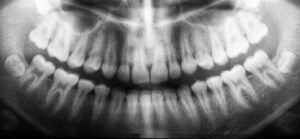
A proper consultation should be more than a quick glance and a date on the schedule. This is the time to ask direct questions and get a clear sense of complexity. In most cases, the surgeon or dentist reviews your health history, your current symptoms, and imaging, often panoramic X-rays. If the roots appear close to nerves or sinus spaces, additional imaging may be recommended to map the anatomy more precisely.
During this appointment, expect a discussion about whether all four wisdom teeth need removal or only certain ones. Patients sometimes assume it is automatically four, but that is not always true. Some people only need the lower teeth removed. Others have one tooth that erupted normally and can be monitored. Good care is individualized, not automatic.
You should also expect a conversation about anesthesia or sedation options. Some extractions are done with local anesthetic alone, especially when the tooth is fully erupted and easy to access. Many patients prefer IV sedation or another form of sedation for impacted teeth, multiple extractions, or simply for comfort. Neither choice is inherently better in every situation. The right option depends on the difficulty of the surgery, your anxiety level, your health profile, and the provider’s clinical judgment.
At this point, cost and logistics usually come into focus too. If you are comparing options for Wisdom Teeth Removal Oxnard CA, ask what is included in the quoted fee. The surgical fee, sedation, imaging, follow-up care, and prescribed medications are not always packaged the same way from one office to another.
Deciding when to remove them
Timing matters more than most people realize. In younger patients, roots may be less fully formed and bone can be less dense, which can make removal and healing more straightforward. That does not mean adults cannot have wisdom teeth removed successfully. They can, and many do. It simply means that delaying for years without a reason can sometimes make the surgery more involved.
There are also practical timing decisions. If possible, avoid scheduling your procedure right before a major presentation, a long trip, or any event that would make a few days of swelling and soreness especially difficult. Many people can return to desk work or school within a couple of days, but that is not a promise. Some bounce back quickly. Others need more time, particularly after lower impacted teeth are removed.
A good rule is to give yourself a recovery buffer. If your life is unusually hectic, an extra day or two of margin is a gift to your future self.
How to prepare in the days before surgery
Preparation is not glamorous, but it shapes the experience more than people expect. The patients who recover most smoothly are rarely the ones who do something complicated. They simply handle the basics ahead of time and avoid scrambling once the numbness wears off.
A short pre-surgery checklist helps:
- Confirm your ride home if you are having sedation.
- Fill prescriptions before the procedure, not after.
- Buy soft foods such as yogurt, applesauce, soup, mashed potatoes, eggs, and smoothies.
- Set up a recovery space with extra pillows, water, ice packs, and gauze.
- Follow fasting and medication instructions exactly as given by the office.
That last point deserves emphasis. If you are receiving sedation, the office will likely give clear instructions about when to stop eating and drinking. Follow them carefully. It is easy to think a small snack or coffee should not matter, but anesthesia rules exist for patient safety. If you take regular medications, ask in advance which ones to continue and which ones to hold.
If you smoke or vape, this is also the time to talk honestly about it. Nicotine and suction both interfere with healing, and they raise the risk of dry socket, which is one of the most unpleasant complications after extraction.
What happens on the day of wisdom teeth removal
On surgery day, the pace is usually efficient. You arrive, review paperwork, confirm medical history, and discuss any last questions. If sedation is planned, monitors may be placed and an IV started. Once the area is numb and sedation is working, the surgeon begins.
Patients often imagine a dramatic process, but from the patient’s perspective, sedation cases tend to feel surprisingly quick. For fully erupted teeth, removal may be relatively simple. For impacted teeth, the surgeon may need to open the gum tissue, remove a small amount of bone, and section the tooth into pieces so it can be removed safely without excessive pressure on the jaw.
That sounds more intense than it usually feels, largely because the area is numb and many patients remember little or nothing of the procedure itself. The real sensation most people notice afterward is not sharp pain at first, but pressure, stiffness, and a bulky feeling from gauze, numbness, and swelling beginning to build.
Before you leave, the team should review aftercare instructions with you and the person driving you home. This is not the moment to nod politely and assume you will figure it out later. Ask questions if anything is unclear. Recovery goes better when the first few hours are handled correctly.
The first 24 hours, what matters most
The first day is about protection, not productivity. Bite gently on gauze as directed to control bleeding. Expect some oozing. That is normal. Bright red heavy bleeding that does not slow with proper pressure is different and warrants a call to the office.
Swelling often peaks later, usually over the first two to three days. Ice packs applied in intervals can help during the early phase. Rest with your head elevated. Take medications on schedule, especially in the first day, rather than waiting for discomfort to build. Many people do best when they stay ahead of the soreness instead of trying to catch up after the anesthetic wears off.
Food should be soft, cool to lukewarm, and easy to manage. Hydration matters. Straws do not. Avoid them. The suction can disturb the blood clot that protects the extraction site. That clot is not a minor detail. It is the foundation of normal healing.
Most patients describe the first night as manageable but awkward. The mouth feels full, opening may be limited, and sleep can be lighter than usual. That is common. Plan for a slow evening, not a normal one.
The recovery timeline, day by day in real terms
Recovery is not identical for everyone, but patterns are fairly predictable. On day one, numbness fades and tenderness sets in. By days two and three, swelling and stiffness are often at their peak. This is the stage when some people wonder if something is wrong, especially if the face looks puffy or jaw movement is limited. Often, that is simply the normal high point of inflammation.
By days four through seven, many people feel a clear turn. Swelling starts to settle. Eating gets easier. Speech feels more normal. If stitches were placed, they may dissolve on their own depending on the material used. Lower extraction sites, especially impacted ones, often feel slower to calm down than upper sites.
Complete healing of the surface tissue may take a couple of weeks, while the deeper socket continues filling in over a longer period. You may notice little indentations where the teeth were. That is normal. They gradually change as healing progresses.
One common frustration is food getting trapped in the lower sockets once the soreness decreases and you start eating more normally. If your surgeon gives you a rinsing syringe, use it exactly as instructed and not before they recommend it. Cleaning too aggressively too early is not helpful.
What pain is normal, and what is not
People use the word pain broadly, which can blur important distinctions. Normal post-operative discomfort is usually sore, throbbing, tender, and improved at least somewhat by prescribed or recommended medication. It should trend better, not worse, after the first few days.
Dry socket is different. It often shows up as increasing pain a few days after the extraction, commonly in the lower jaw. Patients describe it as deep, radiating, and difficult to ignore. The socket may look empty or the clot may be gone. The pain can extend toward the ear or temple and may not respond well to routine pain medication.
These are the warning signs that deserve a call:
- Pain that intensifies instead of gradually improving after several days
- Fever, worsening swelling, or pus-like drainage
- Persistent heavy bleeding that does not respond to pressure
- Trouble swallowing or breathing
- Numbness that lasts longer than expected or feels unusual
Most recoveries are uncomplicated, but knowing the difference between normal soreness and a problem can spare a lot of anxiety.
Swelling, bruising, and limited jaw opening
These three symptoms alarm patients more than they should. Swelling is common, bruising is possible, and jaw stiffness can be surprisingly noticeable after lower wisdom teeth are removed. Muscles around the surgical area react to the procedure, and keeping the mouth open during surgery can leave things feeling tight for a few days.
Bruising may show up along the jawline or even down into the neck. It can look dramatic while still being clinically routine. If you were not warned about it, it feels unsettling. If you were, it feels like part of the expected process.
Gentle movement returns gradually. Do not force the jaw open early. A little patience tends to work better than aggressive stretching in the first days.
Eating after surgery without making yourself miserable
The best recovery diet is not exciting, but it should be practical. People often stock only sweet soft foods and regret it by day two. Variety helps. Warm broth, scrambled eggs, oatmeal once tolerated, mashed vegetables, cottage cheese, pasta cooked very soft, and blended soups can make recovery feel less repetitive.
Temperature matters too. Very hot foods can be irritating early on. Crunchy foods, spicy foods, and foods with small seeds are poor choices around fresh extraction sites. The goal is to nourish yourself without scraping, packing, or irritating the area.
One of the more common mistakes is trying to return to normal eating too soon because the mouth feels a bit better. Then a chip, crusty bread, or rice dish turns the rest of the day into a cleanup project. A little caution early usually pays off.
Sedation, anxiety, and the emotional side of the procedure
Not every concern is physical. A lot of adults who need wisdom teeth removal are less worried about the surgery than they are about the anticipation of it. Dental anxiety is common, even among people who keep up with regular care. Sedation can be useful for that reason alone, provided it is appropriate for your health status and treatment plan.
For some patients, local anesthetic with music and a calm, communicative surgeon is enough. For others, sedation makes the procedure far more manageable. The important thing is not to downplay your own stress. A patient who is tense, sleep deprived, and embarrassed to ask questions will often have a harder time than someone who comes in prepared and honest.
Good offices recognize this. They explain what sensations are normal, when pressure is expected, how long things take, and what the first evening will probably feel like. That level of communication matters just as much as technical skill.
Special situations that can change the plan
Wisdom teeth are not always straightforward. Teeth can sit close to nerves, roots can curve, infection may already be present, or the surrounding gum tissue may be inflamed enough that the surgeon recommends a short course of treatment before surgery. Some patients are pregnant, take blood thinners, have diabetes, or have a history that changes sedation planning. These are not reasons to panic, but they are reasons to choose a provider who is careful and thorough.
Age can also change the conversation. A teenager with developing roots and no symptoms may be advised to remove impacted teeth proactively. A patient in their thirties or forties who has symptom-free wisdom teeth might be advised to monitor them instead of removing them immediately, depending on the anatomy and hygiene access. The right answer depends on risk, benefit, and long-term outlook, not a one-size-fits-all philosophy.
Choosing the right provider in Oxnard
If you are evaluating options for Wisdom Teeth Removal Oxnard CA, look beyond proximity alone. Convenience matters, but experience, communication, and a clear aftercare plan matter more. The right office usually shows itself in small ways. They explain the imaging. They discuss risks plainly. They tell you what recovery tends to look like, not just what the best-case scenario looks like.
Ask how often they perform wisdom tooth extractions, what sedation options are available, who monitors you during sedation, and how after-hours concerns are handled. These are practical questions, not difficult ones. A strong team will answer them comfortably.
Online reviews can be useful for spotting patterns in bedside manner and scheduling, though they should not be your only measure. A consultation often tells you more. You are listening for clarity, patience, and realism. A good provider does not make surgery sound trivial. They make it understandable.
Cost, insurance, and planning ahead
Costs vary based on complexity, the number of teeth removed, the type of anesthesia, and whether the teeth are erupted or impacted. Insurance may cover part of the procedure, especially when removal is medically necessary, but plans differ widely. Before scheduling, ask for an estimate and a breakdown. That conversation is easier before surgery than after.
If finances are a concern, ask whether the office offers payment options. Many do. It is also worth confirming whether pre-operative imaging, sedation, pathology if needed, and follow-up visits are included. People are often less stressed by the total number than by uncertainty about what the total number actually is.
Getting back to normal
Most people do not need weeks away from routine life. They need several days of realistic expectations. Light activity can usually resume fairly soon, but strenuous exercise often needs to wait a bit longer, especially if it increases throbbing or bleeding. Follow the office guidance on this. Athletes and gym regulars are often tempted to push too quickly. That is one of the easier mistakes to avoid.
By the end of the first week, many patients feel significantly better and are mostly back to normal daily function. Full healing continues quietly after that. If you were living with recurring gum infections, pressure, or jaw soreness before surgery, you may notice a subtle but meaningful relief once the recovery phase passes. The back of the mouth feels easier to clean. The nagging irritation is simply gone.
That is often the least dramatic and most valuable part of the whole experience. Wisdom teeth removal is rarely anyone’s idea of a good time, but when it is indicated and well managed, it tends to solve more problems than it creates. If you are preparing for Wisdom Teeth Removal Oxnard CA, the best approach is simple: understand the reason for treatment, choose your provider carefully, prepare your recovery space before surgery, and give the healing process the respect it deserves. A smoother experience usually starts long before the procedure itself.
Oxnard Dentistry
1730 E Gonzales Rd
Oxnard, CA 93036, United States
Phone: +1 805-307-8731
FAQ About Wisdom Teeth Removal Oxnard CA
How much does it cost to get wisdom teeth removed in California?
Fees depend on tooth position, the number of extractions, imaging and anesthesia. Oxnard Dentistry can provide an individual estimate after examining your teeth. Ask for an itemized plan and confirm insurance benefits before scheduling.
Will insurance cover wisdom teeth removal?
Coverage and out-of-pocket costs vary by policy and the treatment required. Ask the dental office and your insurer to verify benefits, annual limits and any authorization requirements. A benefit estimate does not guarantee payment.
Is 30 too old to have wisdom teeth removed?
Age alone does not determine whether extraction is appropriate. A dentist evaluates symptoms, tooth position, oral health and medical history. Healthy, functional wisdom teeth may be monitored; teeth causing disease or other problems may need treatment.